
Plant-Wide Pushbutton Control Stations for an Automated Factory in China
A plant-wide network of customized pushbutton stations gives operators direct machine-side control while keeping local functions consistent with the factory's centralized automation system.
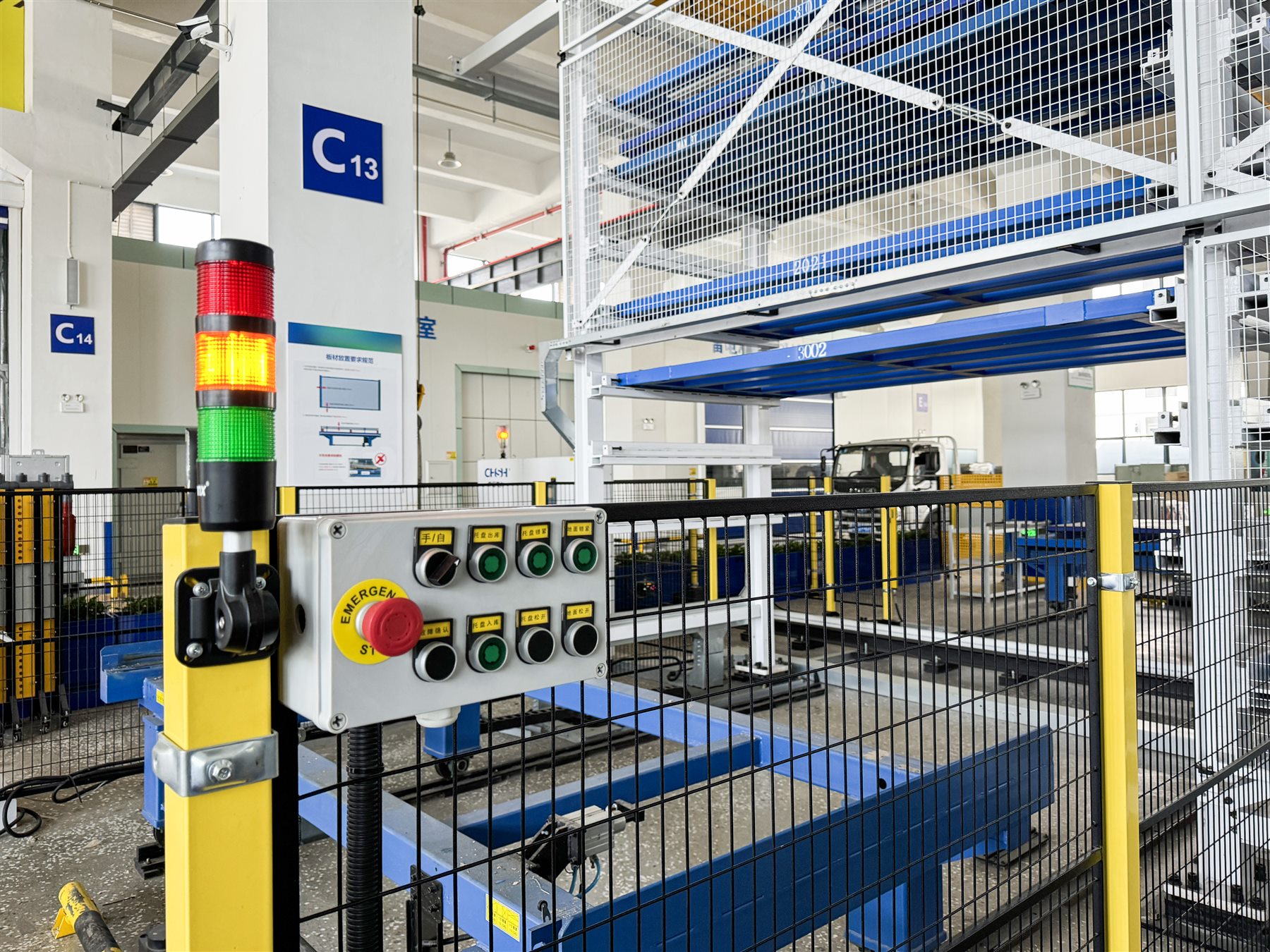
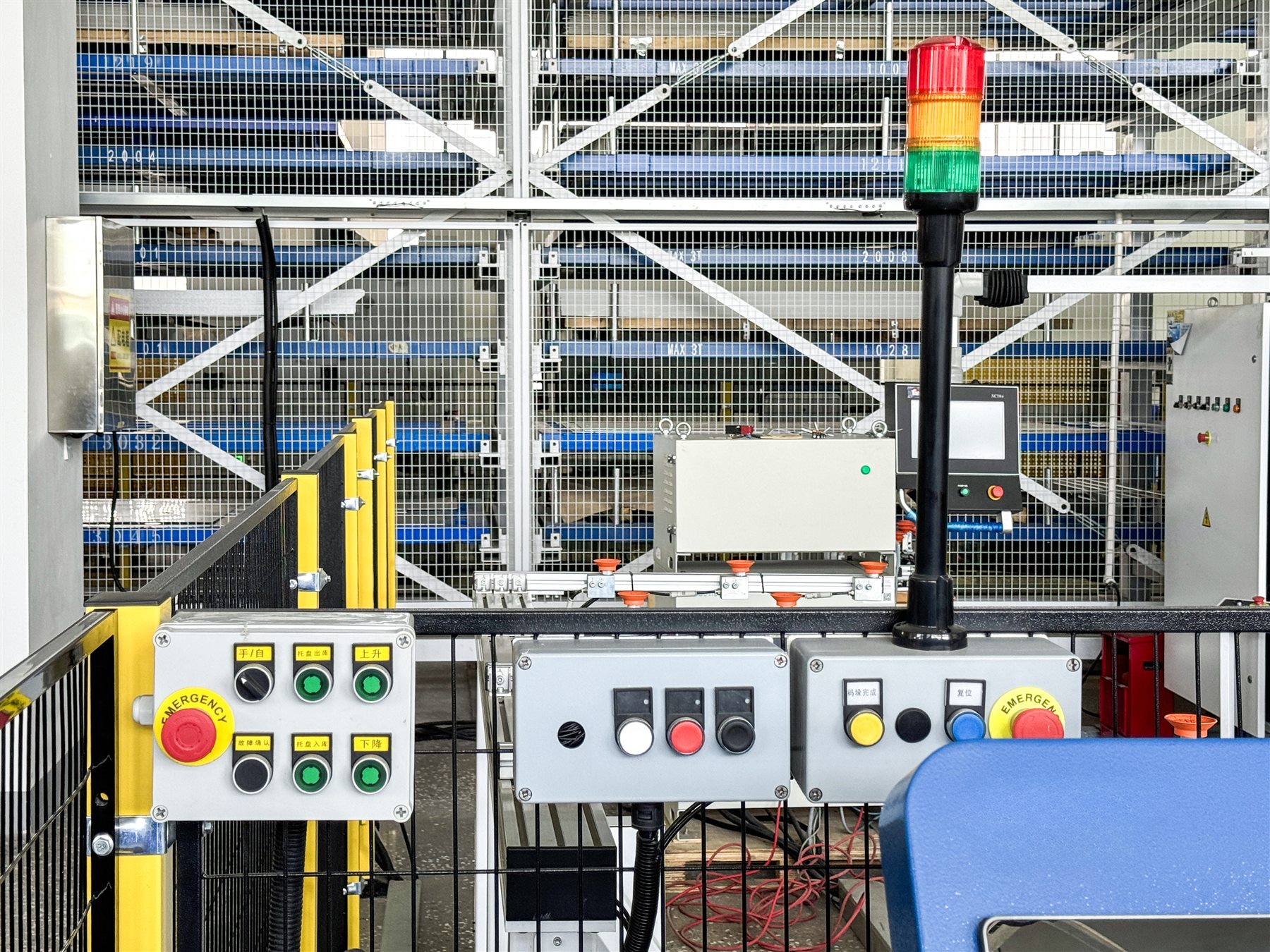
Plant-wide deployment
Project Overview
In 2026, an automated manufacturing facility in Jiangsu, China, completed a plant-wide installation of industrial pushbutton control stations across production, material handling and equipment service areas.
The project connected local machine-side controls with the factory's centralized PLC system. Each station was configured for the equipment beside it, while enclosure construction, labeling and cable routing followed one consistent plant-wide standard.
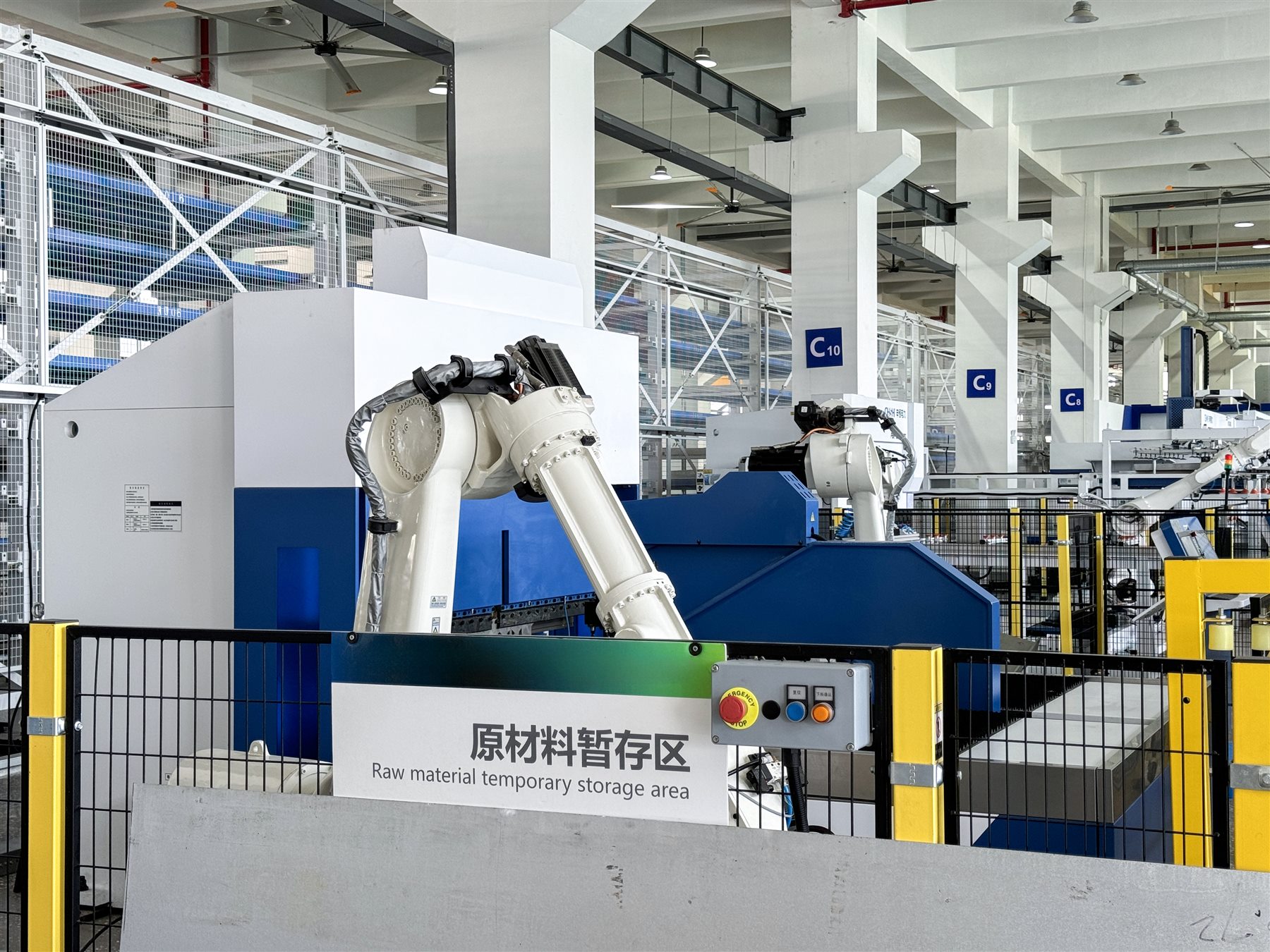
The factory operates automated conveyors, transfer mechanisms, storage equipment and guarded machine cells. Central electrical cabinets manage PLCs, relays and power supplies, while HMI panels provide production monitoring and system-level control.
| Project location | Jiangsu, China |
|---|---|
| Project period | 2026 |
| Facility type | Automated manufacturing and material handling factory |
| Project scope | Plant-wide local pushbutton control station installation |
| Typical applications | Conveyors, transfer units, lifting mechanisms, storage systems and guarded equipment cells |
| Control functions | Manual operation, mode selection, reset, indication and emergency stopping |
| Operating devices | Push buttons, selector switches, pilot lights, stack lights and emergency-stop buttons |
| Mounting positions | Machine guards, equipment frames, operator stations and maintenance access areas |
| Cable arrangement | Bottom cable entry with protective conduit connected to the factory control system |
Control beside the machine
Why the Factory Needed Local Pushbutton Control Stations
Centralized HMIs are effective for production monitoring, alarm display and coordinated process control, but they cannot replace every control point on the factory floor. During setup, fault recovery and maintenance, personnel must often issue a command while directly observing the corresponding mechanism.
Returning to the main HMI for every jog movement, reset or mode change would separate the operator from the equipment response. Local stations therefore provide a clear operating point beside each machine section and connect those commands back to the PLC and machine safety circuits.
- Manual and automatic operating-mode selection
- Local start, stop, jog and movement commands
- Reset after alarms or process interruptions
- Direct control during setup and scheduled maintenance
- Emergency-stop access from defined working positions
- Local indication of operating, warning and fault conditions
Because each machine performs a different task, the required controls are not identical. The station schedule was organized by equipment function, available mounting space and the operating sequence of each production area.
One platform, several layouts
Pushbutton Box Configurations Used in the Factory
The project used a family of customized control stations instead of applying one fixed panel layout throughout the plant. This approach retained a common enclosure platform while giving each machine only the controls it required.
Multi-Function Operator Stations
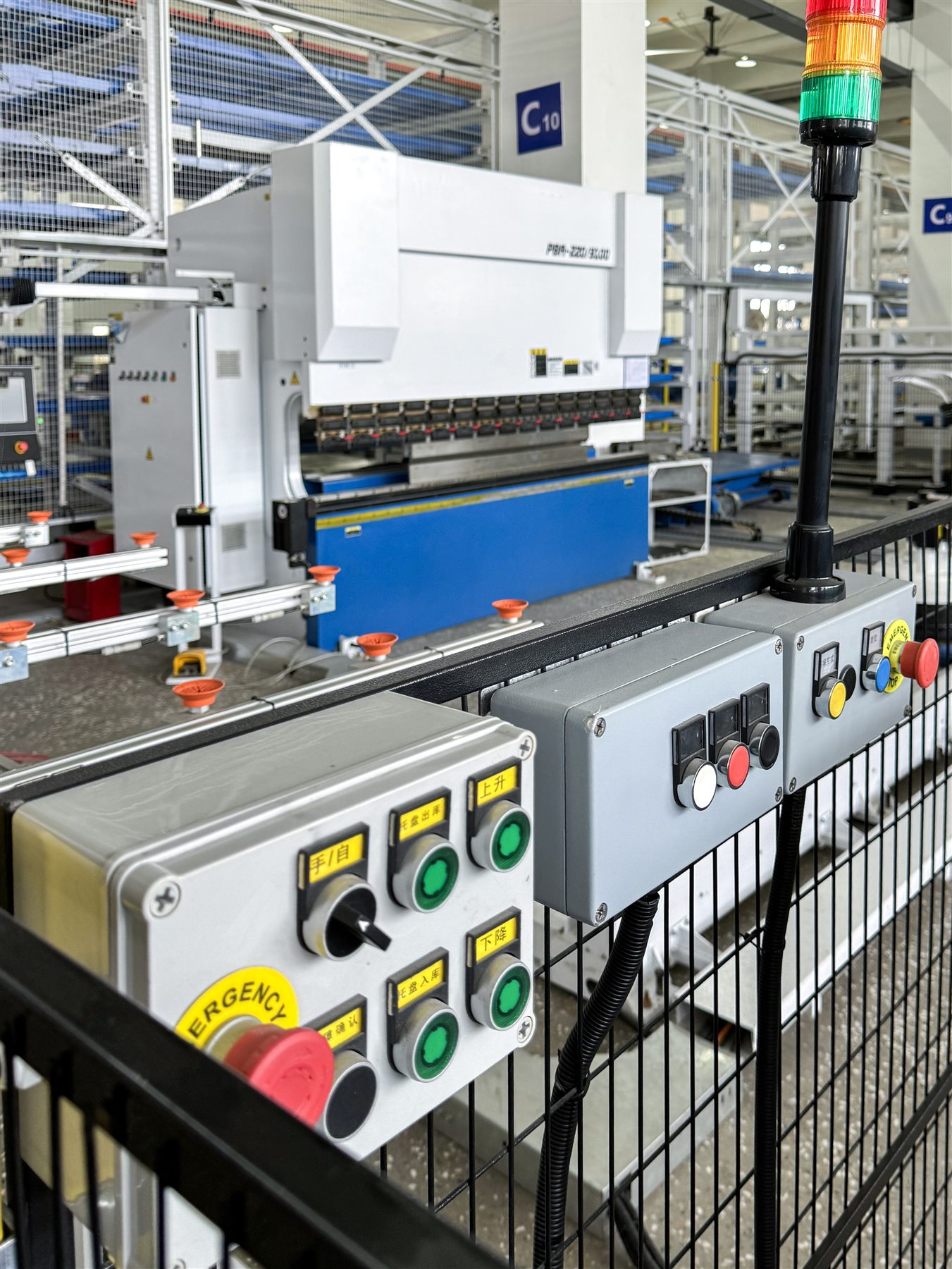
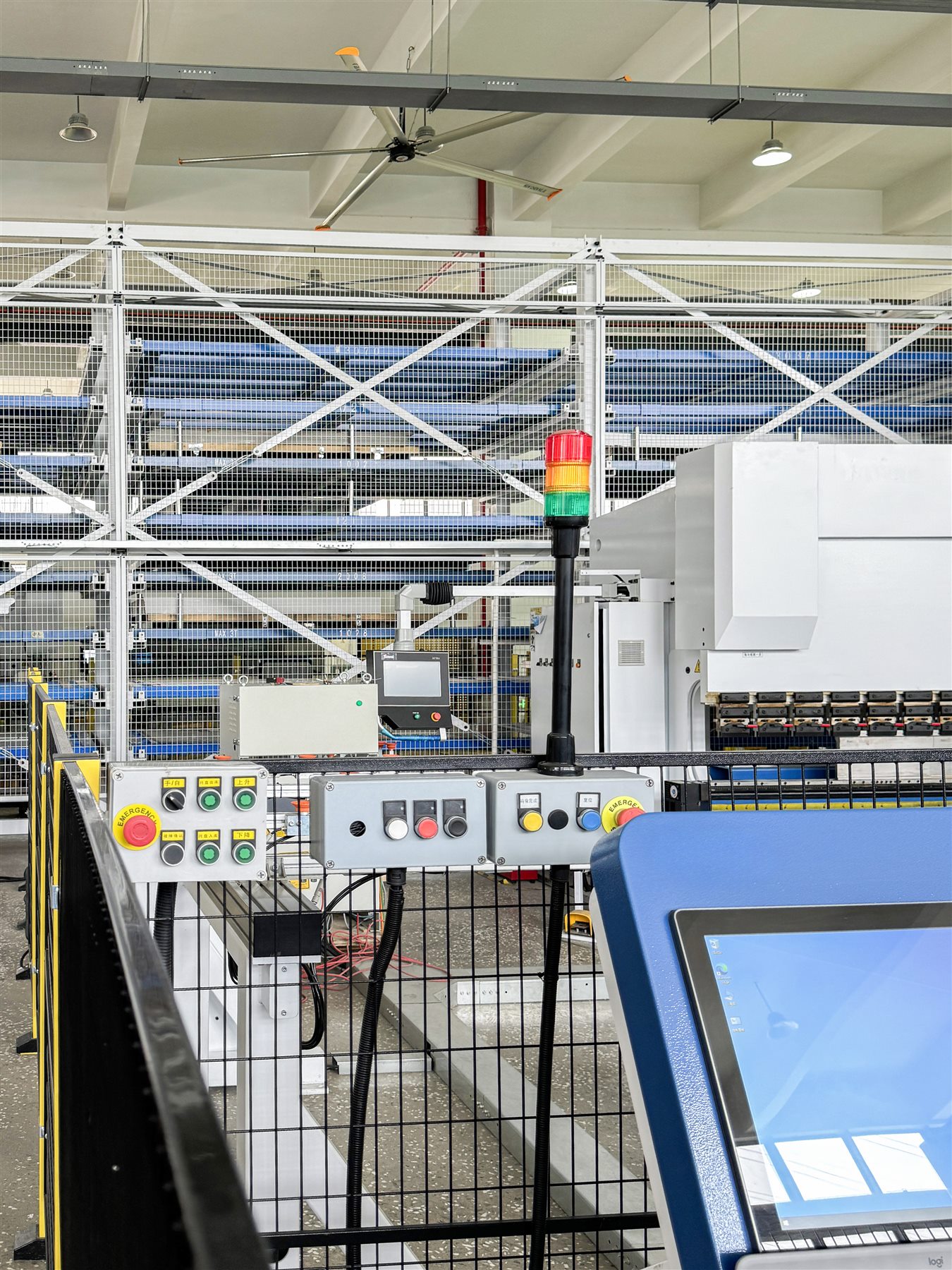
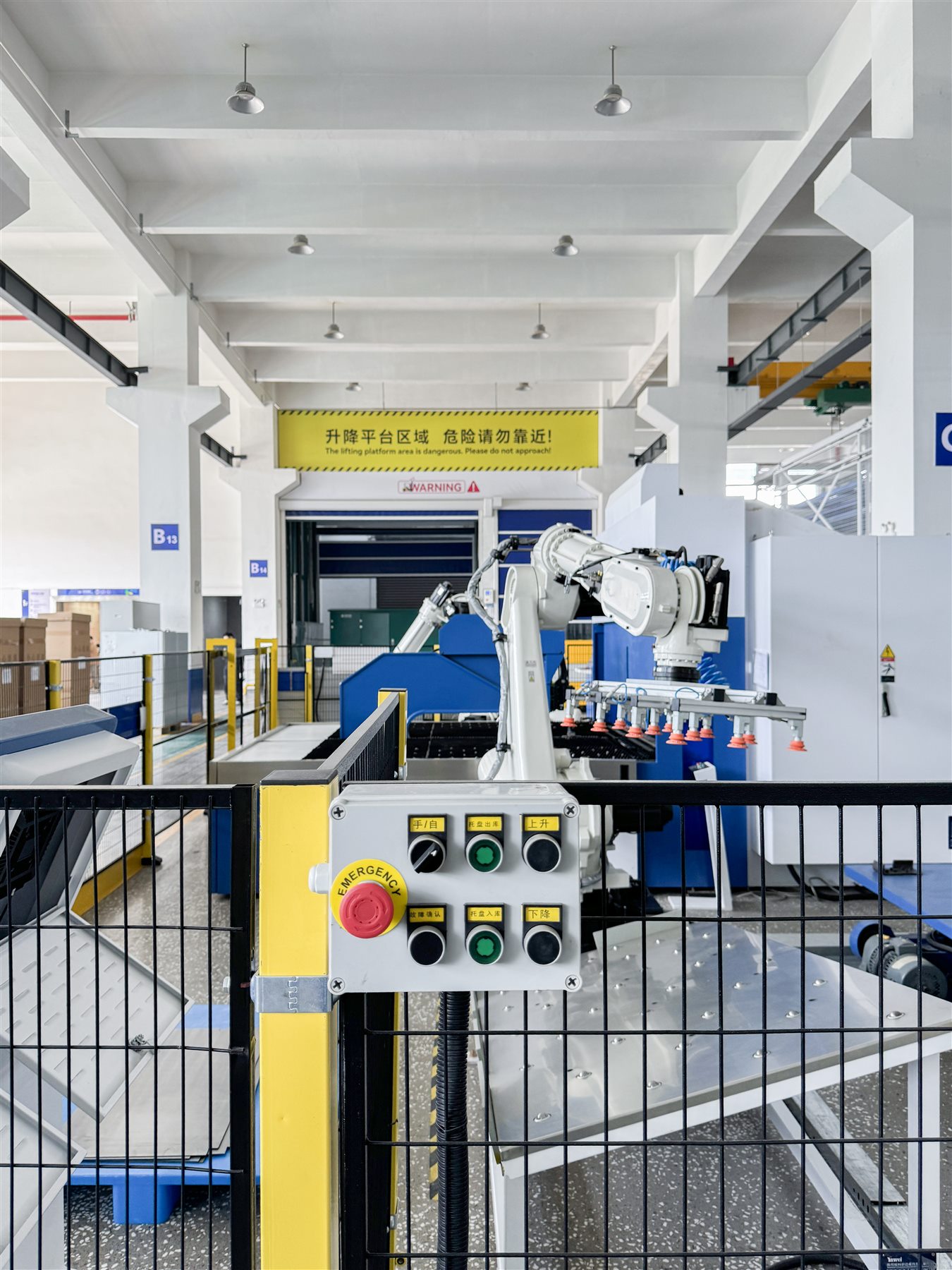
Larger stations were installed beside equipment that required several manual commands. A typical layout combined an automatic/manual selector, separate movement buttons, local indicators and a prominent emergency-stop device. These stations support setup, position adjustment, maintenance and controlled fault recovery.
Compact Local Command Stations
Two- and three-operator boxes were used for simple nearby mechanisms. Typical functions included forward and reverse, raise and lower, local start and stop, or a dedicated reset command. Removing unnecessary controls made each station easier to understand and allowed installation on narrow machine frames or safety barriers.
Reset and Emergency-Stop Stations
Selected access points used focused reset and emergency-stop stations. The reset control was visually separated from the red mushroom-head emergency operator, reducing the risk of selecting the wrong function during fault recovery. Locations were determined from the machine layout and safety assessment rather than a single fixed spacing rule.
Consistent engineering
Product Highlights and Advantages
Standardized Enclosure Platform
Common enclosure structures, operator spacing, cable-entry methods and labeling formats created a consistent control language across production areas. Similar station layouts can use the same enclosure size and opening pattern, simplifying production inspection, replacement planning and spare-unit management.
Machine-Side Installation
Stations were mounted close to the equipment they control, generally on the outside of machine guards, equipment frames or dedicated operator supports. Operators can observe the connected mechanism while remaining outside guarded operating areas.
Protected Cable Routing
Control cables enter through the lower part of each enclosure and continue through protective conduit. Bottom entry keeps conduit away from the operating surface and provides a direct route toward the machine wiring system.
Clear Identification and Status
Buttons, selectors and indicators use consistent function labels. Local pilot lights communicate status at the operating position, while stack lights make machine conditions visible across the workshop.
- Flexible configuration: Operator quantity and layout match the connected machine.
- Clear function grouping: Each station contains only the controls required for its task.
- Consistent construction: Enclosures, labels and cable entries follow one factory standard.
- PLC integration: Local commands and indicators operate within the centralized system.
- Scalable deployment: Additional stations can follow the same design rules as production expands.
A scalable control network
Project Results
The completed installation created a distributed network of machine-side control points throughout the automated factory.
Operators can perform manual movements, mode selection, reset and status checks beside the relevant equipment instead of relying only on centralized HMIs. Maintenance personnel can test individual functions while directly observing machine response during setup, sensor adjustment and fault recovery.
Emergency-stop devices are available at defined production and access areas, and local indicators communicate equipment status at both operator and workshop level.
Different station configurations give each production section the right control density without introducing unnecessary buttons. At the same time, the consistent enclosure platform, labeling system and cable-routing method create a more organized installation and provide a repeatable basis for future replacement or production-line expansion.
- Direct local control beside the corresponding machine section
- Faster and clearer maintenance and fault-recovery work
- Accessible emergency stopping based on the machine safety layout
- Consistent visual and electrical organization across the plant
- A scalable station family for future machines and production lines
Planning an automation project?
Share the machine layout, operator schedule and installation environment with our engineering team.